
Blood-based colorectal screening · Fort Myers

Shield colorectal blood test.

If you are due for colorectal cancer screening, a blood test may be an option. Your physician can help you compare Shield with stool testing and colonoscopy and decide which method is right for your risk and screening history.
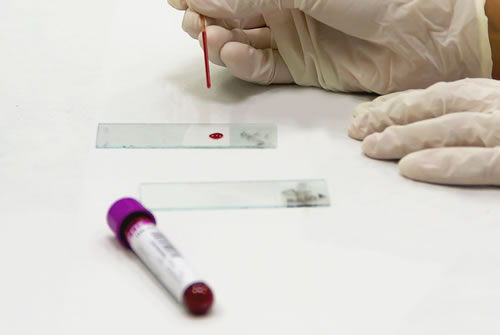
Gloved hands handle a blood sample and test tube for Shield colorectal cancer screening
Sample
Blood; no special preparation
Eligibility
Average-risk adults age 45+
If positive
Physician review, usually colonoscopy
Cost
At cost for members
IMLWP is a concierge (membership) primary care practice in Fort Myers. This service is part of your membership care. Medicare patients sign a private contract with the practice. Membership plans and prices →
Understand your options

A blood-based option for colorectal screening

01

An easier way to get started for some patients

If preparation or stool collection has kept you from completing screening, ask your physician about Shield. It uses a blood draw. If the result is positive, your physician reviews it with you and explains the next steps, which usually include a colonoscopy.
02

What the laboratory checks

Shield examines DNA in the blood for changes associated with colorectal cancer, including mutations and other patterns in the DNA. It is FDA approved for eligible average-risk adults age 45 or older who are due for colorectal screening.
03

What Shield can and cannot find

Shield is better at finding colorectal cancer than precancerous polyps, and it cannot remove polyps. Colonoscopy lets a specialist examine the colon and remove many polyps during the procedure. Our colorectal screening page compares the options side by side.
04

Your history helps determine the right test

Tell your physician about symptoms, previous polyps, colorectal cancer and family history. These may make colonoscopy or another diagnostic evaluation the appropriate next step instead of a screening blood test.
Your experience at IMLWP

Screening with Shield at IMLWP

01

Check your screening history

Review age, symptoms, family history and previous findings.
02

Complete the blood draw

Your sample is sent to the laboratory for analysis.
03

Review the result

Your physician contacts you to review the result and its limitations.
04

Arrange the next step

After a positive result, your physician explains the next steps, usually a colonoscopy. After a negative result, you plan your next screening together.
Your IMLWP physicians

Care from a physician who knows you

Your own board-certified primary care physician manages your care, from deciding what to investigate to reviewing results and adjusting treatment.
Common questions

Your questions, answered

No. The Shield blood draw needs no fasting or bowel preparation. If other blood tests are drawn at the same visit, the practice will tell you whether those need fasting.

It is not a cancer diagnosis. It means the test found DNA changes that can be linked to colorectal cancer. Your physician reviews the result with you and explains the next steps, which usually include a colonoscopy to find the cause.

A negative result does not rule out colorectal cancer. Continue screening on the schedule your physician recommends, and tell your physician about new symptoms, such as rectal bleeding, rather than waiting for your next test.

Yes. Ask the practice for the current charge. If a colonoscopy is recommended, your physician arranges the referral. That procedure is billed separately.

Take the next step

Book a complimentary Meet & Greet

A free, 30-minute visit with one of our physicians to meet the practice and ask about membership. It is not a medical visit.

Visit our Fort Myers office

6160 Winkler Road, Fort Myers, FL 33919 · Get directions →