
My last post on May 13th highlighted a clinical case showing how skin pathology can contribute to endothelial inflammation, and how inflammatory signals from psoriasis can actively impair lipoprotein and cholesterol transport. The pathophysiology review of these associations demonstrated that managing each issue—both the cholesterol and the psoriasis—carries equal weight toward optimizing a patient’s risk of a future cardiovascular event.
I wanted to dive a bit deeper into our contemporary understanding of the skin as a functioning organ system. As the complex, multi-faceted features of our skin come to light, it makes sense that we should all be more mindful of it and actively interested in optimizing its health.
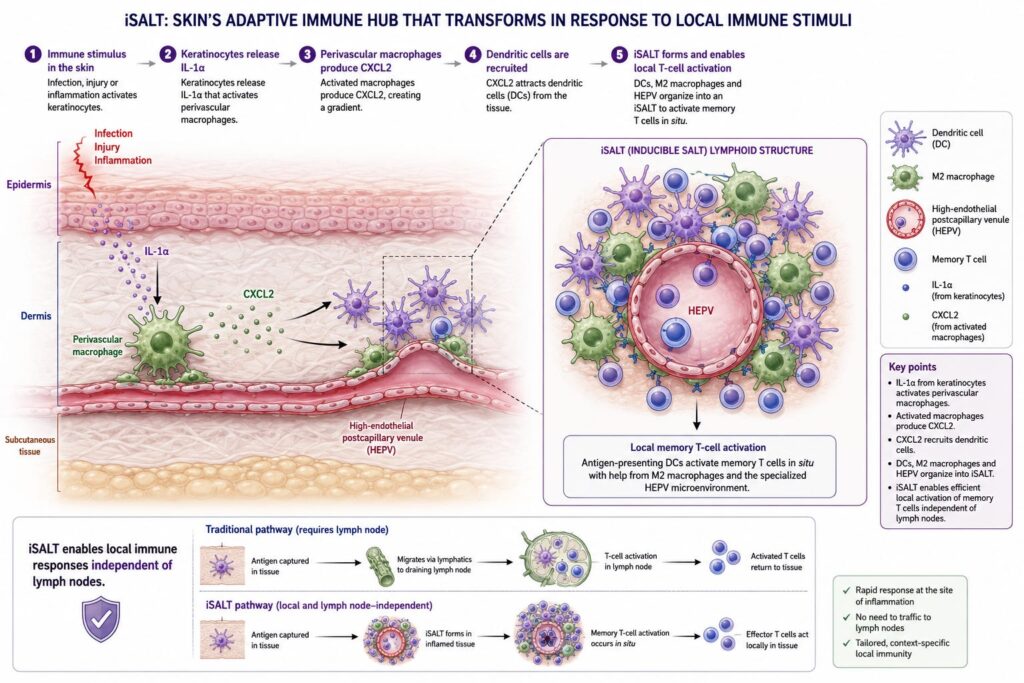
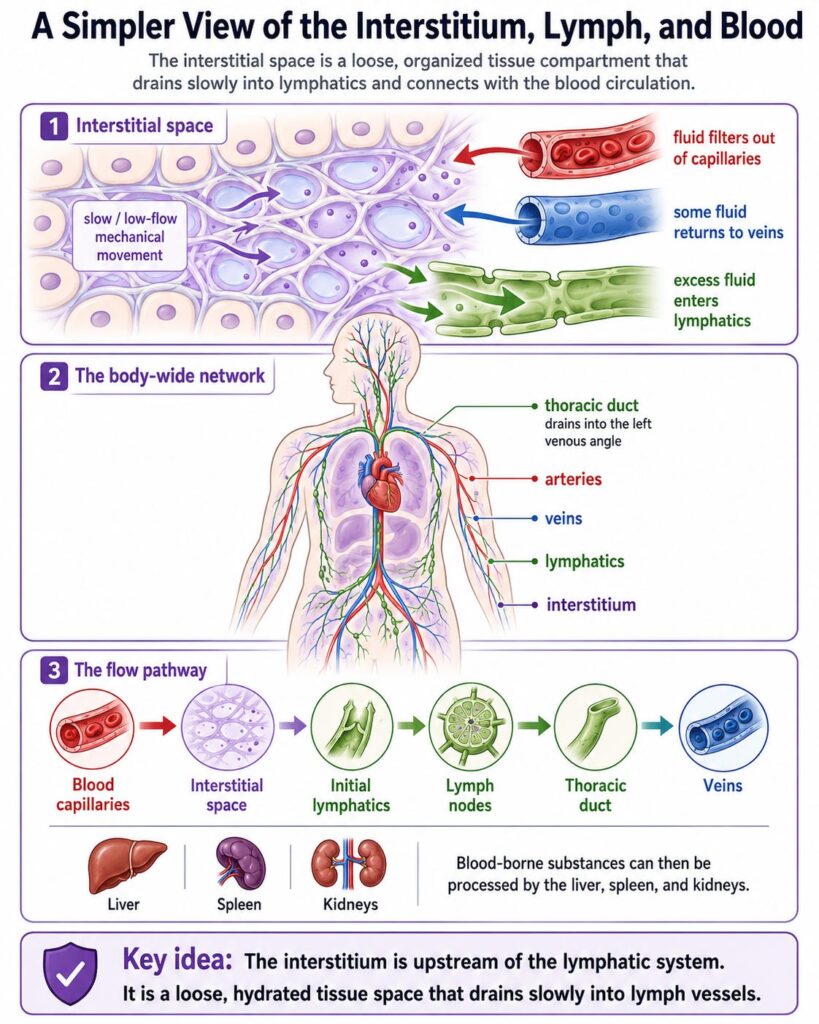
The Cutaneous-Immuno-Neuro-Endocrine (CINE) concept frames the skin not as a passive covering, but as a living sensory-and-response organ. Within this model, skin cells, immune cells, nerve endings, vascular/interstitial fluid flow, and hormone-like signals constantly communicate. The skin detects injury, infection, stress, allergens, microbes, temperature, touch, and light, translating those inputs into immune, neural, and biochemical signals. It then organizes local responses—such as inducible skin-associated lymphoid tissue (iSALT)—and connects those local events to the rest of the body through the interstitium, lymphatics, blood, and systemic organs. The CINE literature specifically describes the skin as an integrated immune, nervous, and endocrine system, rather than a simple physical barrier.
From a clinical standpoint, I find it fascinating to consider that a patient’s neurocognitive and hormonal signaling is actually intertwined with and primed by the very organ that contains all our other organs. It goes a bit beyond my initial allopathic medical education of over 34 years ago to fathom that an internal organ system’s pathology might be modifiable by focusing on optimizing a person’s skin function and appearance.
In Dr. Jane Orient’s review, she uses a phrase that describes this beautifully: “The Integumentary System as a ‘Diagnostic Display.’” It is as if a person’s skin acts as an initial health monitoring dashboard. Consequently, when patients present with physical or subjective complaints, I am now much more mindful to check this “dashboard” just as I would consider temperature, blood pressure, and heart rate.
For nearly two decades, I have used the skin as a measurement source for nutritional status. Thanks to a colleague, I became aware of using light spectroscopy to measure the dietary storage of a family of nutrients found in healthy vegetables and fruits: antioxidants known as carotenoids. The specific nutrients measured include beta-carotene, alpha-carotene, lycopene, lutein, and zeaxanthin. Diets high in these antioxidants are associated with a lower incidence of a host of chronic conditions, including cancer, arterial disease, diabetes, hypertension, stroke, age-related macular degeneration, physical frailty, and cognitive decline.
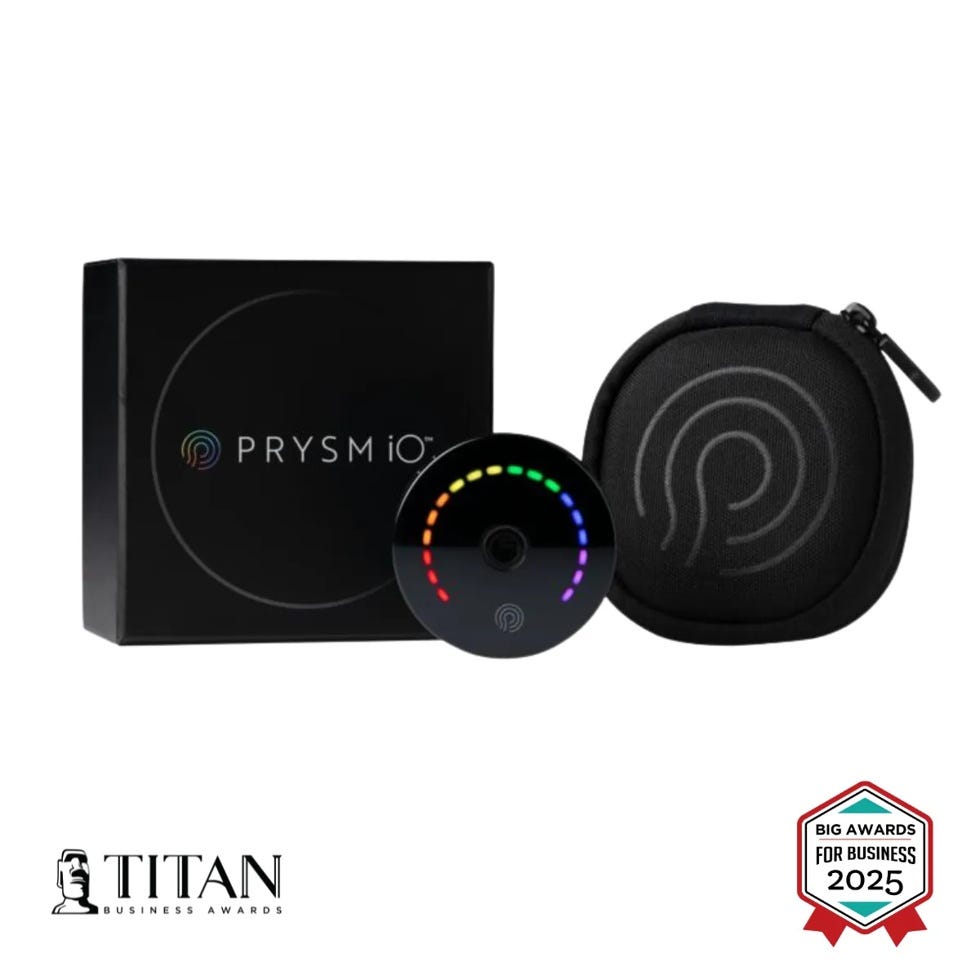
The technology used to quantify these skin-stored carotenoids is known as the BioPhotonic Scanner, which I have included as part of our patients’ annual health exams for years. Within the past three months, an individual consumer unit called the Prysm-iO—which is about the size of a hockey puck—has become available for personal and family monitoring. Seeing your score can be a powerful motivator to choose healthier, more nutrient-dense foods and meals. This dietary shift naturally leads to a reduction in excess body fat, improved daily energy, and optimized cellular signaling. Years ago, we stopped focusing strictly on macronutrient calories (fats, carbs, and proteins) and shifted our focus to nutrient density. That said, adequate protein remains critical to ensure the proper amino acids are available for your body to express what your genetic code requires.
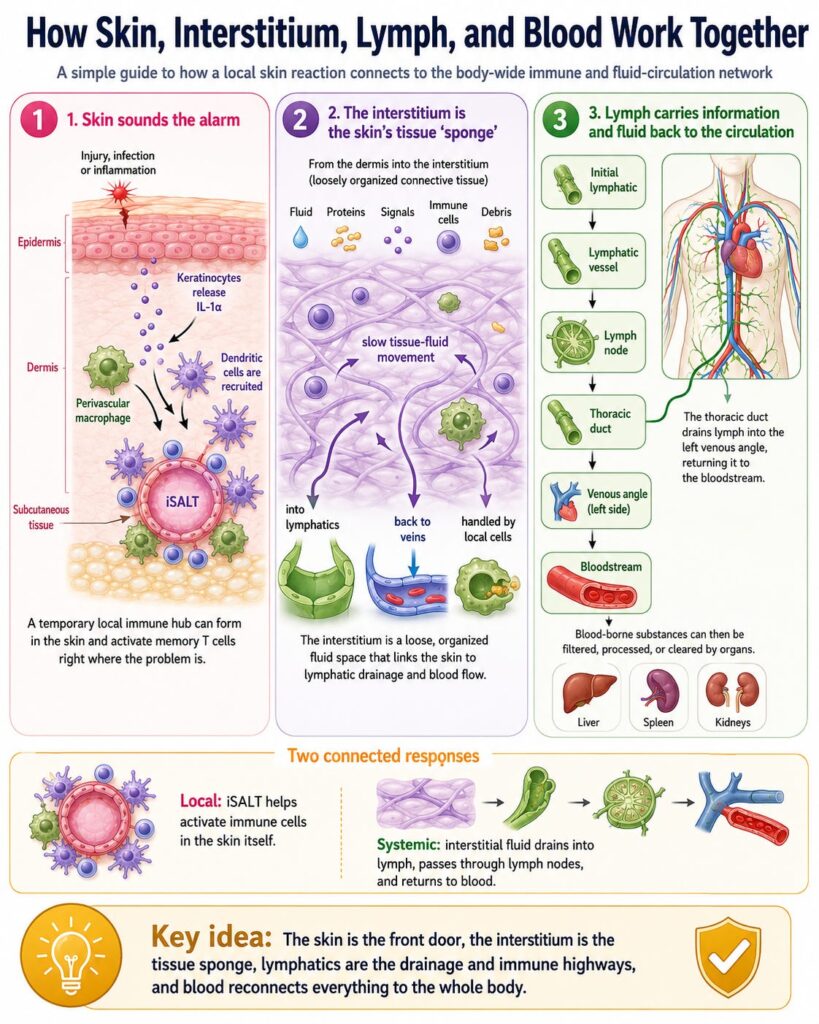
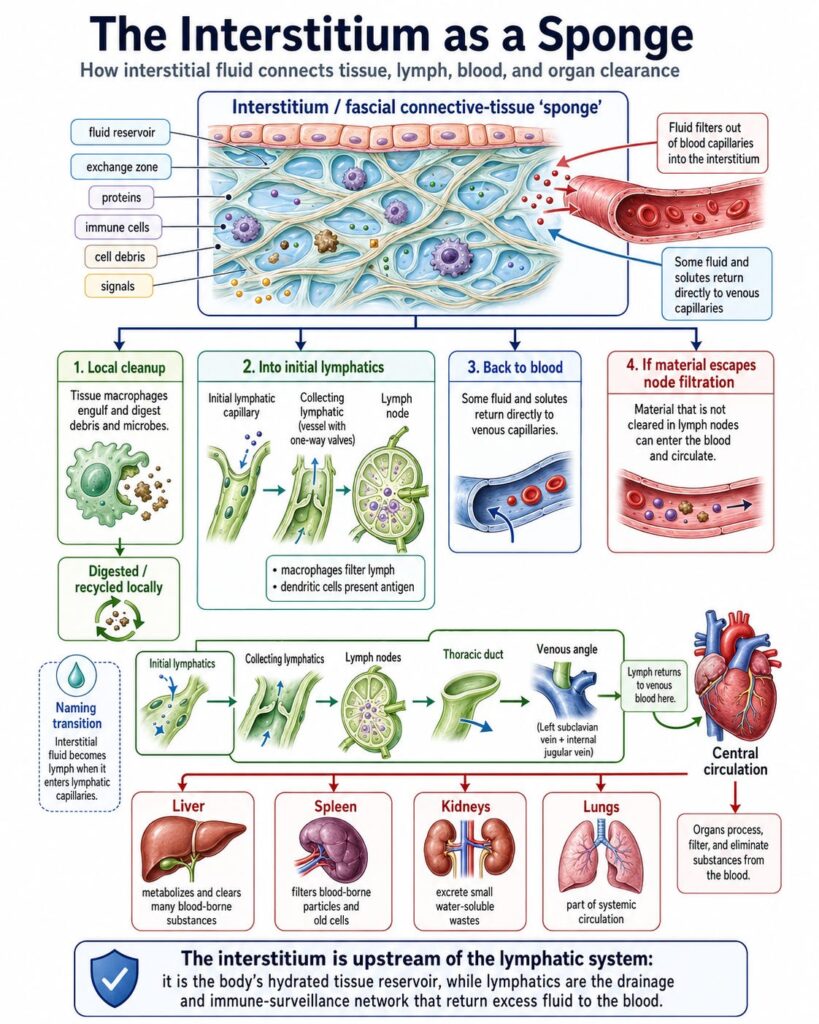
The systemic connection flows in a continuous loop: Interstitial waste and antigens enter the lymph → lymph nodes filter, digest, and immunologically interpret the fluid → the remaining fluid returns to systemic venous blood → the kidneys, liver, spleen, lungs, and distributed macrophages process whatever remains according to its chemical or cellular nature.
For the past several months, I have been working with Dr. Scott Gray, DPT, and his team at Back In Motion to reclaim my physical health following setbacks from an occult ankle fracture and the social isolation of the COVID-19 pandemic. I have made great strides, moving past physical therapy and into formal exercise. As we go through our hour-long sessions, the varied exercises and intermittent circulatory sprints have led me to experience and contemplate lymphatic flow, body signaling, and healing firsthand.
In between my formal sessions, I have been practicing a specific movement that combines thoracic expansion, respiratory pressure cycling, posterior fascial compression/release, and shoulder/axillary movement:
Lie on the floor and apply gentle pressure to the mid-and-upper back along a firm foam roller. With hands locked behind the head and elbows pointing parallel to the floor, take deep breaths and rotate the elbows toward the sky and nose during exhalation.
As a whole, this motion provides plausible extrinsic drivers of lymphatic and interstitial fluid movement. Because the thoracic duct is centrally located near the venous angle, chest, rib, and diaphragm mechanics are especially relevant.
Emerging human evidence supports this approach. A 2025 Scientific Reports study used high-frequency ultrasound on 20 participants and found that the thoracic duct diameter significantly expanded after an exercise load, growing from about 2.69 mm at rest to 3.41 mm post-exercise. While this study measured diameter as a proxy for lymph-flow dynamics rather than direct volumetric flow, it strongly supports the idea that bodily movement alters central thoracic duct dynamics. A separate ultrasound study similarly found that respiration and gravity directly impact terminal thoracic duct diameter.
The anatomy surrounding the arms, axillae, clavicles, upper ribs, pectoral fascia, thoracic inlet, and venous angles is highly crowded. Moving the shoulders into flexion or an overhead position changes the tension through the pectoral and axillary soft tissues, which may alter local venous and lymphatic mechanics.
While this does not definitively prove that overhead pronation opens the thoracic duct, it aligns with broader lymphatic principles: regional pathways and central outlets matter. Interestingly, a 2024 manual lymphatic drainage (MLD) protocol conducted in a head-down-tilt spaceflight analog specifically included central decongestion, stimulation of the terminus and lymph nodes, short neck treatments, facial MLD, and therapy applied directly to the venous angle. This clinical protocol was intentionally built around the idea that the central exit region must be “primed” before moving peripheral fluid. The lymphatic system ultimately remains a vital conduit for immune surveillance and tissue debris clearance.
Ultimately, our understanding of the skin has evolved from viewing it as a passive physical barrier to recognizing it as a dynamic, integrated dashboard of systemic health. Through the lens of the Cutaneous-Immuno-Neuro-Endocrine (CINE) model, local skin health, manual physical movement, and targeted nutrition are fundamentally linked to our immune, nervous, and vascular systems. By leveraging advanced biometric tools like the Prysm-iO scanner to track antioxidant levels, and incorporating targeted thoracic exercises to optimize lymphatic drainage, we can actively influence internal physiology from the outside in—using the skin not just as a diagnostic display, but as a primary pathway toward systemic healing.
Disclaimer: This information is for educational purposes only and is not intended to replace professional medical advice, diagnosis, or treatment. Always seek the advice of your physician or other qualified health provider with any questions you may have regarding a medical condition.

Your skin may reveal important clues about nutrition, inflammation, and overall wellness. Meet with one of our physicians for a personalized evaluation and a proactive plan that considers how your skin, cardiovascular health, movement, and nutrition work together. Take the next step by booking a complimentary visit or comparing our membership plans.
Southwest Florida’s premier Medical Home. Dedicated to prevention, access, and the patient relationship. Serving Fort Myers, Sanibel, Cape Coral, Bonita Springs, Naples, Punta Gorda & surrounding Southwest Florida areas.
Contact
6160 Winkler Road
Fort Myers, FL 33919
(239) 362-3005
Fax: (239) 362-3392
staff@imlwp.com